

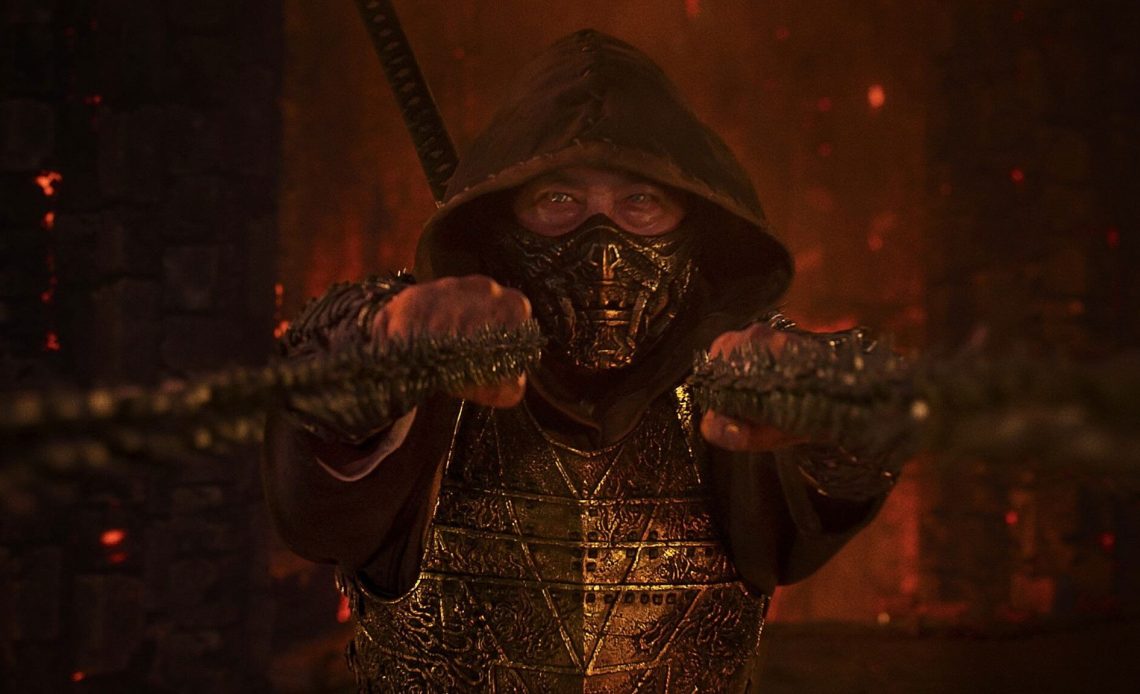
Mortal Kombat II is a relentless, action spectacle film that prioritises bone-crunching action and fan service over a deep script, ultimately delivering a superior experience to its predecessor.
Following the events of the first film, Earthrealm’s champions led by the legendary Raiden must recruit the washed-up action star Johnny Cage to help fend off a full-scale invasion. As Shao Kahn’s forces prepare for the final tournament, Princess Kitana emerges from the shadows with a vendetta that could change the fate of all realms.
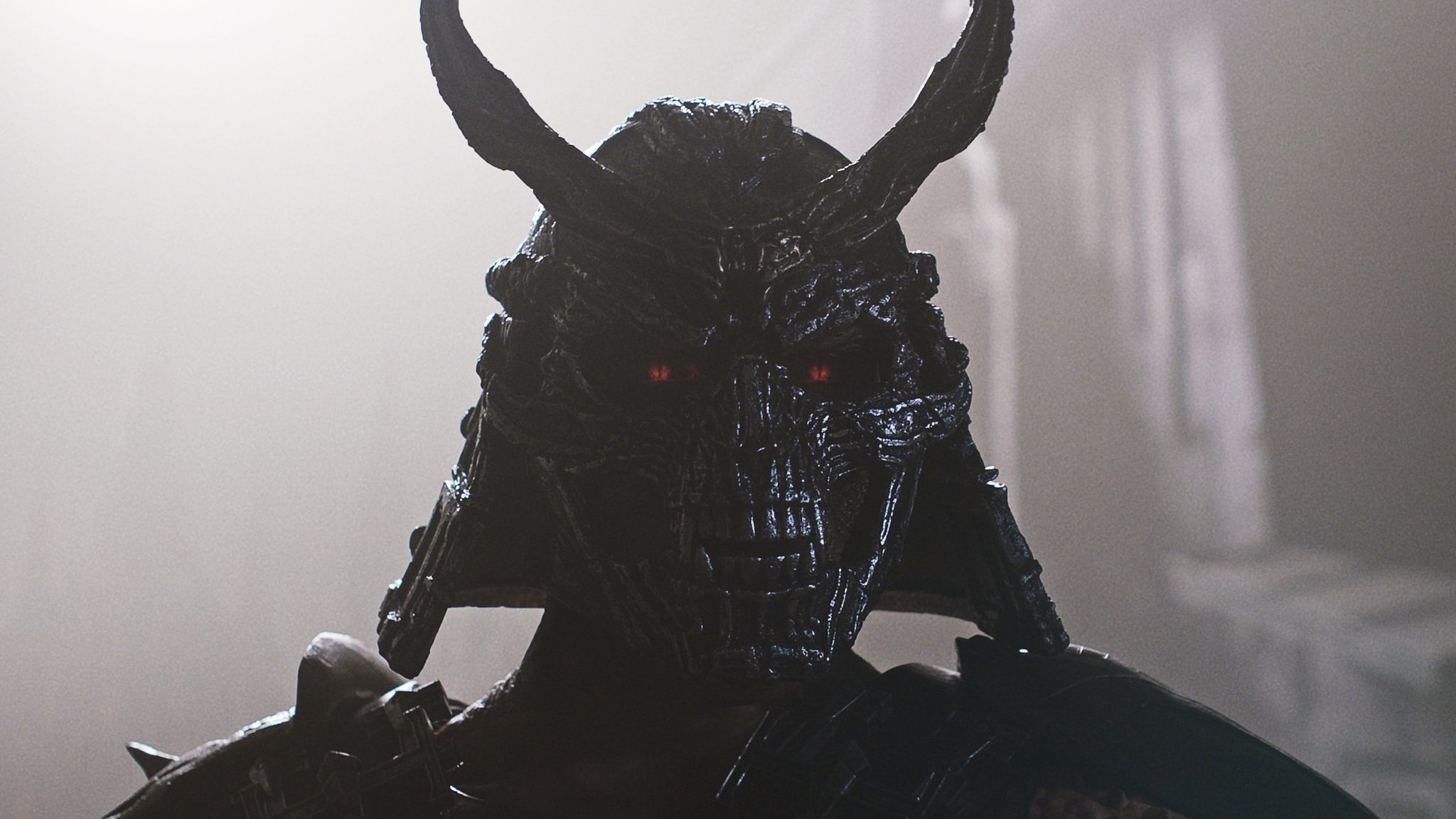
Let’s be real: nobody goes to a Mortal Kombat movie for a Shakespearean plot. Director Simon McQuoid and writer Jeremy Slater clearly understood the assignment this time. While the first film felt like an over-extended prologue, Mortal Kombat II dives headfirst into the lore. The plot follows the game’s tournament structure closely, which keeps the stakes clear and the momentum high.
There is an underlying theme of legacy, specifically Kitana’s struggle against her adoptive “father” Shao Kahn and Johnny Cage’s quest to prove he is more than a has-been. It is light on substance, sure, but it captures the specific over-the-top tone of the Midway and NetherRealms classics perfectly. It is easy viewing that does not ask much of your brain, just your eyes.
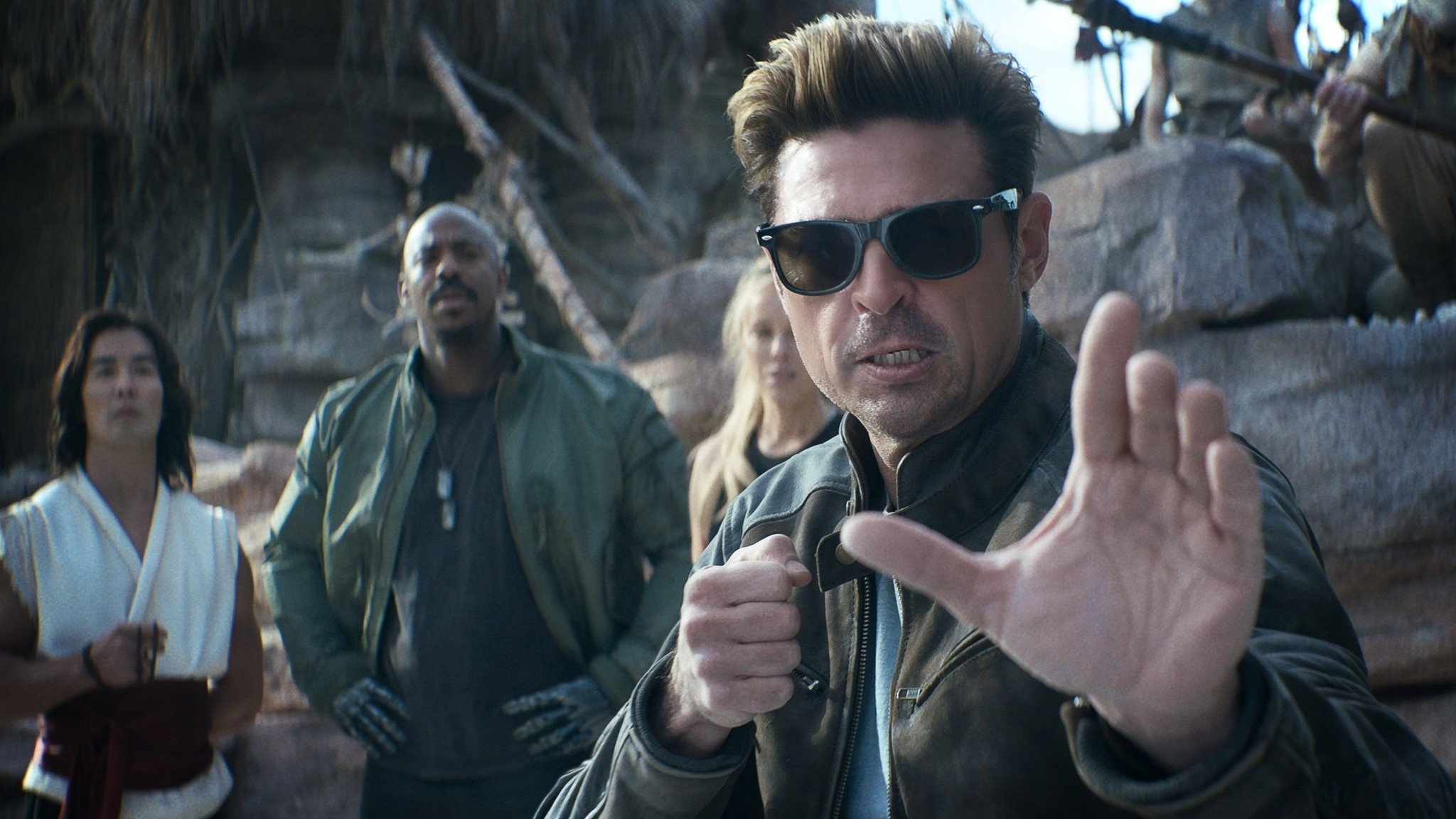
The roster in Mortal Kombat II has seen a major shake-up, with most of the original cast taking a bit of a backseat to the newcomers. This is very much the “Johnny and Kitana Show.” The focus on these new heavy hitters does mean that some of the 2021 survivors like Sonya Blade and Jax feel slightly sidelined. However, the trade-off is worth it. The film feels more like an ensemble piece than a solo hero journey, reflecting the “pick your fighter” spirit of the source material.
Karl Urban as Johnny Cage is the absolute highlight. He leans into the character’s arrogance with a washed-up Hollywood charm that provides much-needed levity. Every time the movie threatens to get too self-serious, Urban is there with a meta-commentary or a cheesy one-liner. Adeline Rudolph brings a surprising amount of gravitas to Kitana. She is the emotional heartbeat of the film, providing a grounded contrast to the supernatural madness. The chemistry between the cast is palpable, making the found-family aspect of Earthrealm’s team feel earned, even amidst the severed limbs.

Simon McQuoid has clearly leveled up since the last outing. One of the biggest complaints about the 2021 film was the choppy editing during fights; here, the camera lingers just long enough for you to appreciate the choreography. McQuoid uses a more vibrant colour palette this time around, trading the gritty realism of the first film for the diverse aesthetics of Outworld. His direction ensures a relentless pace; the movie rarely stopping for air through all the action. It is a stylish, confident piece of blockbuster filmmaking that embraces its “R-rated” identity with pride.
The entertainment value is off the charts if you are looking for a movie where you can turn your brain off. The fight sequences are a massive improvement, being faster, more creative, and more impactful. The comedic timing, mostly handled by Urban and a returning Josh Lawson as Kano, is a standout feature.
The only real gripe? The fatalities. They are fun and gory, and they will get a cheer from the crowd, but they still feel a bit “safe” compared to the nightmare-inducing creativity found in the modern games. Still, as an adrenaline-fueled action flick, it hits every mark it aims for.
Fun Fact:
While Hiroyuki Sanada portrays Scorpion with all his dialogue and such, Scorpion’s iconic “GET OVER HERE!” is performed once more by franchise creator Ed Boon.