

Asghar Farhadi’s Parallel Tales is a sharp, puzzle-box thriller that uses voyeurism and artistic theft to deliver a cerebral, deeply rewarding cinematic experience.
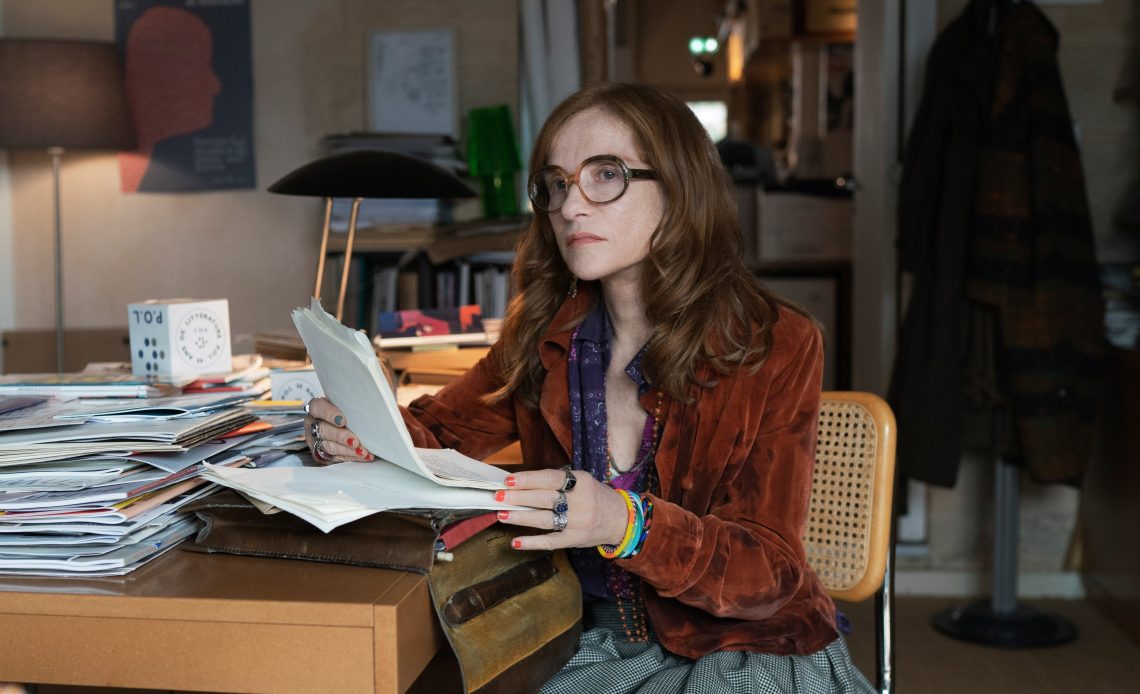
In Parallel Tales, a reclusive Parisian author, Sylvie (Isabelle Huppert), secretly observes a trio of sound artists living across the street, using their daily lives as raw material for her new book. When an opportunistic ex-convict, Adam (Adam Bessa), takes her draft and passes it off as his own work, the observed subjects read the manuscript, causing their real lives to collide dangerously with the fictional plot.
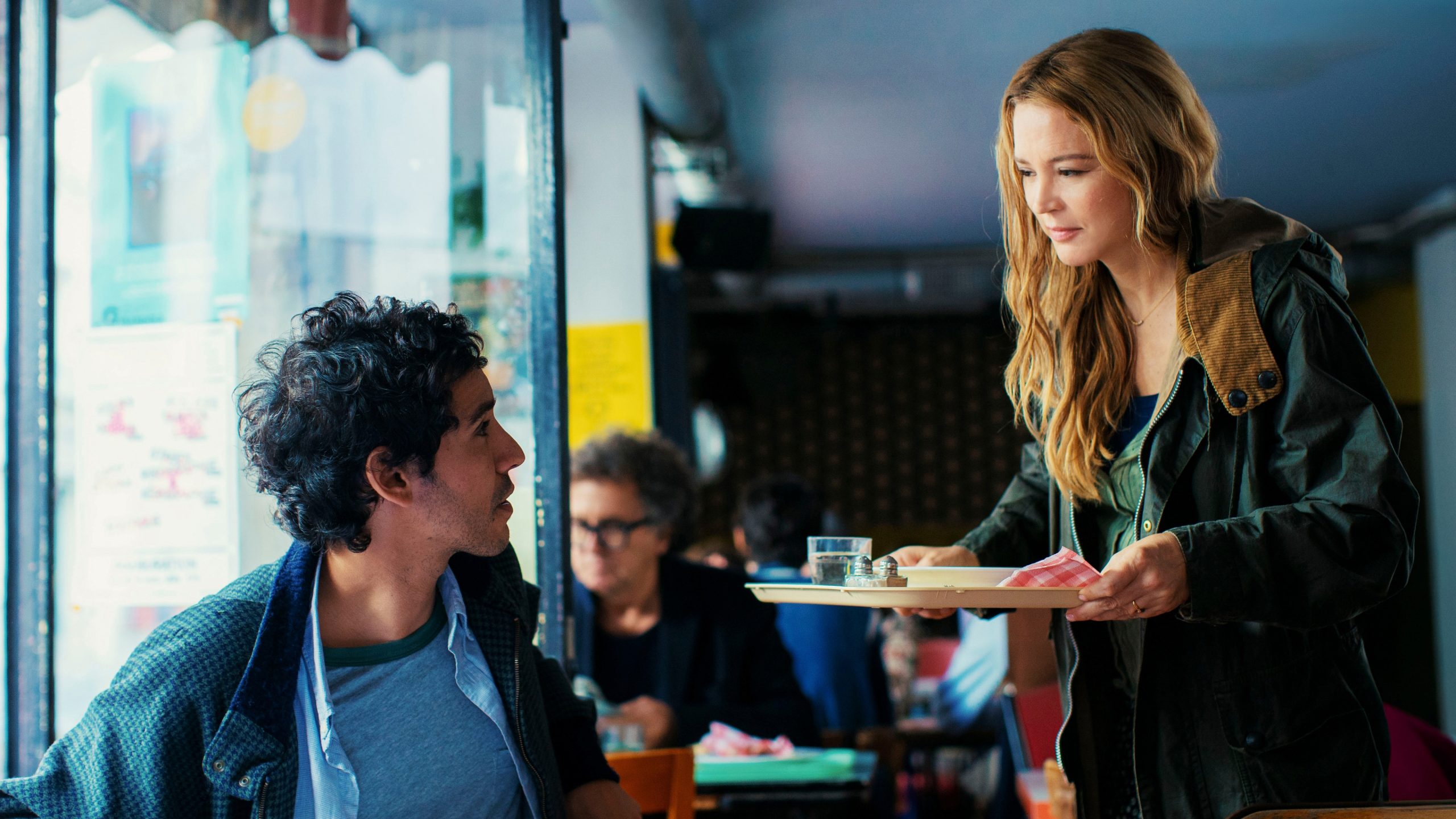
The narrative demands your complete attention from the opening frame. Oscar-winning director Asghar Farhadi abandons linear simplicity for a complex web of overlapping perspectives and moral grey areas. Through clever focus techniques and shifts in lens clarity, Farhadi firmly separates reality from fiction so you never lose your footing. This calculated visual clarity serves a distinct purpose; rather than confusing the viewer, the story operates like a tight mechanism, constantly shifting the emotional weight beneath your feet as fiction alters the actions of the real world.
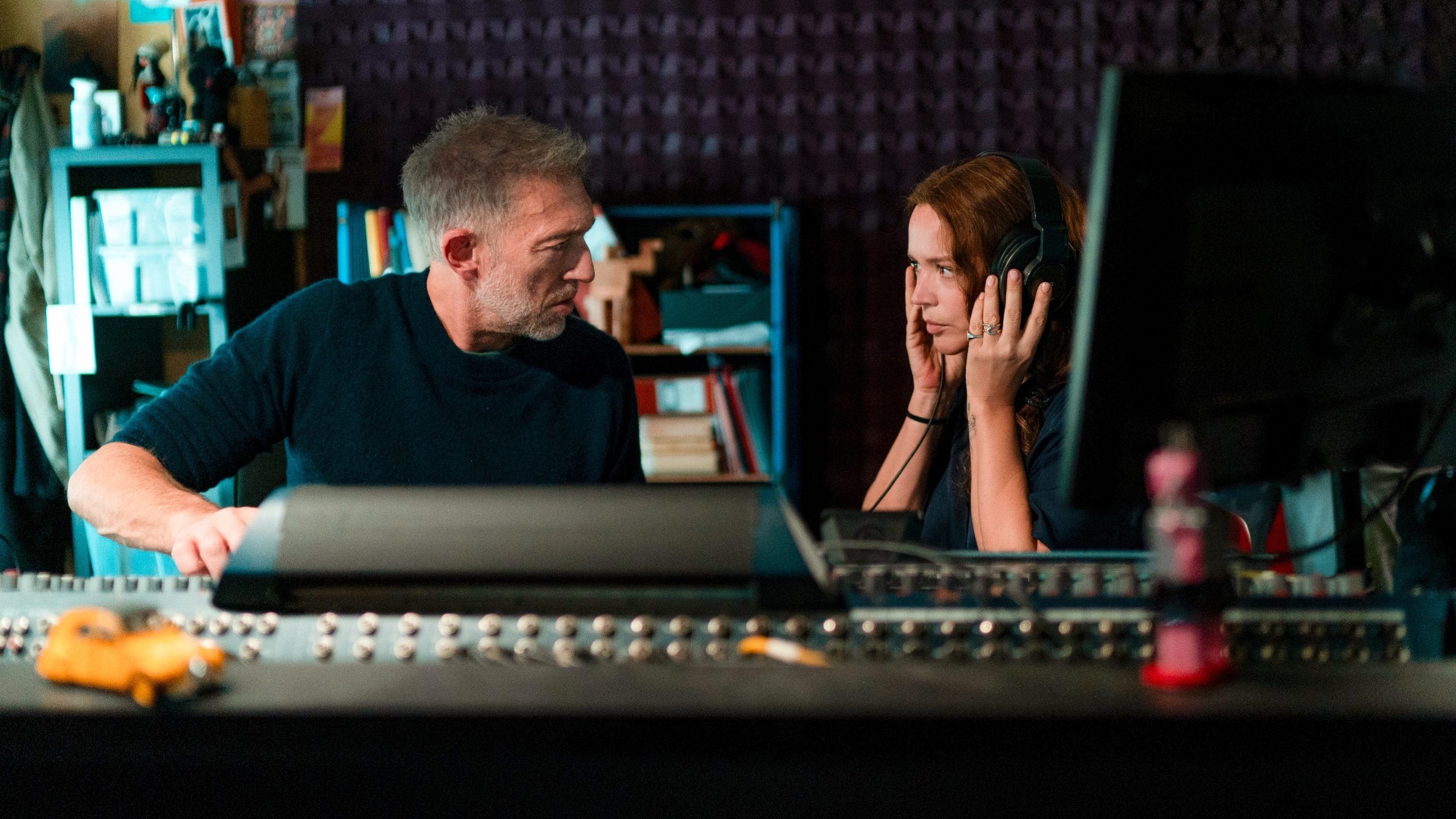
At the center of this narrative web is a set of characters driven by desperate creative and personal desires. Sylvie is not a traditional protagonist, but her cold, calculating perspective grounds the story. The three foley artists across the court, Nita (Virginie Efira), Nicolas (Vincent Cassel), and Théo (Pierre Niney), start as mere subjects of observation, but as the draft spreads, they transform into active participants in a melodrama they never asked to join. Meanwhile, Adam acts as the ultimate catalyst, turning quiet surveillance into chaos.
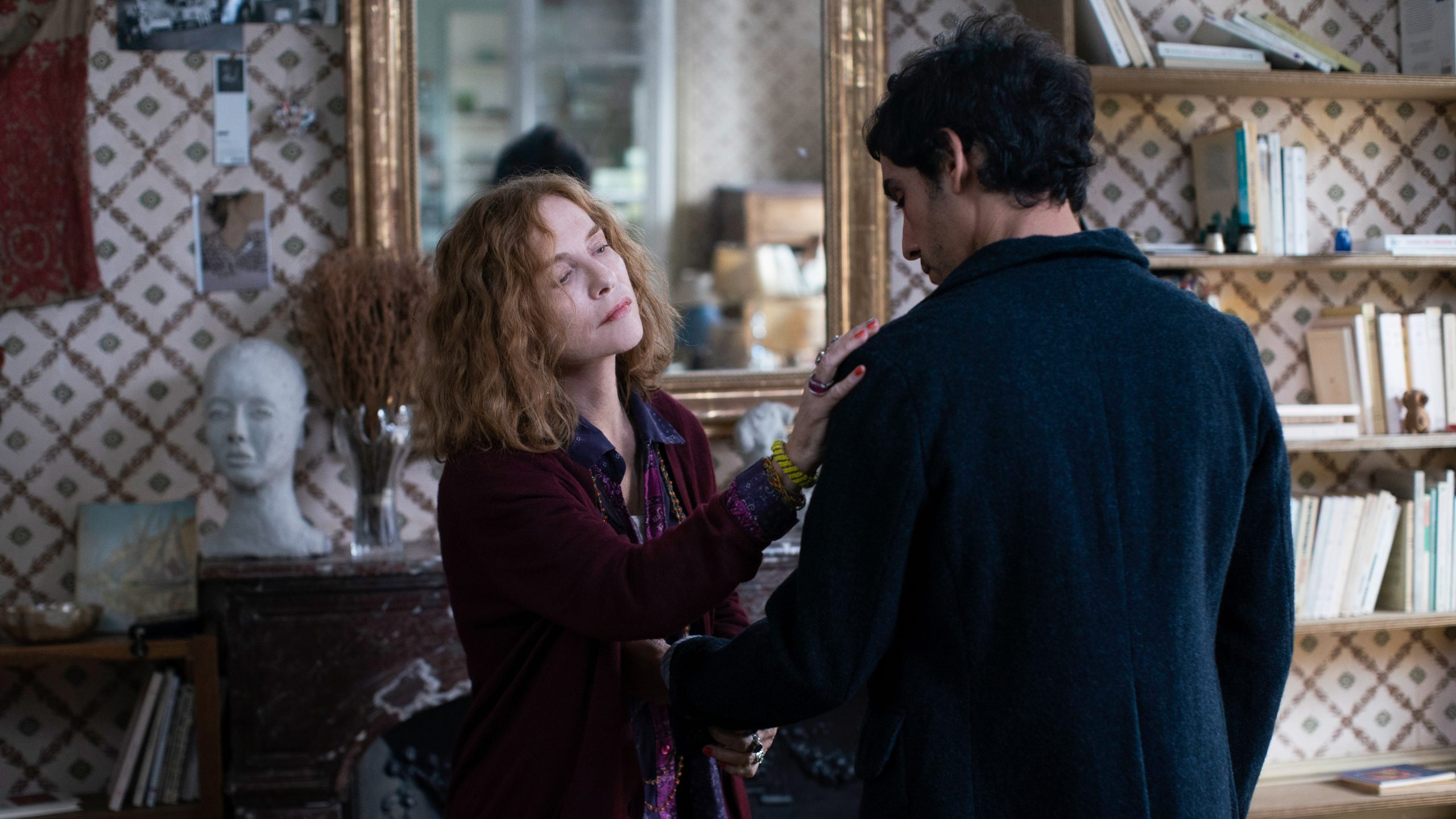
The ensemble cast delivers exceptional work across the board. Isabelle Huppert gives a magnificent, icy performance as Sylvie, balancing creative panic with razor-sharp intellect. Virginie Efira and Vincent Cassel bring grounded, vulnerable humanity to characters caught in a web of paranoia. Pierre Niney injects a sharp, nervous energy that mirrors the uneasy dynamic gripping the entire group, while Adam Bessa plays his character with a quiet, calculated composure even when completely out of his depth. Every performance feels remarkably precise, working in tandem to keep you guessing.
Farhadi’s direction is perfection throughout. Known for his ability to extract intense dramatic tension from everyday domestic spaces, he uses camera framing and precise cuts to make the audience feel like co-conspirators in Sylvie’s and Adam’s surveillance. His choice to centre the story around foley artists allows sound design to play a massive structural role in the film. Just as foley artists construct manufactured sounds to create cinema, Farhadi highlights how human beings manufacture narrative truths out of tiny, misunderstood details.
Beyond its slick mechanics, the film raises fascinating moral, ethical, and intellectual dilemmas regarding creative extraction and authorship. Farhadi forces the audience to confront uncomfortable questions about who truly owns a story when private lives are exploited for entertainment. Sylvie views her subjects through a cold, transactional lens, treating their lives as raw material waiting to be refined, while Adam sees her manuscript as a shortcut to respectability. By contrasting these motivations, the narrative asks whether observing others inherently distorts their reality and whether art created through invasive surveillance is an act of insight or an act of theft. These underlying themes elevate the viewing experience, turning a stylish thriller into a thought-provoking exploration of art, truth, and projection.
Parallel Tales delivers a thrilling, multi-layered ride that rewards active engagement. It is a film that demands discussion immediately after the credits roll, leaving you to parse through its intricate clues long after leaving the cinema. While it requires patience, the payoff makes for an unforgettable movie night.
Parallel Tales is screening as part of the 2026 Melbourne International Film Festival.


COMMENTS